Get Help Now! Call 24/7
918-586-2238
918.586-2238
Mon to Sat 7am-7pm | 27/4 Emergency Service

Get Help Now! Call 24/7
918-586-2238


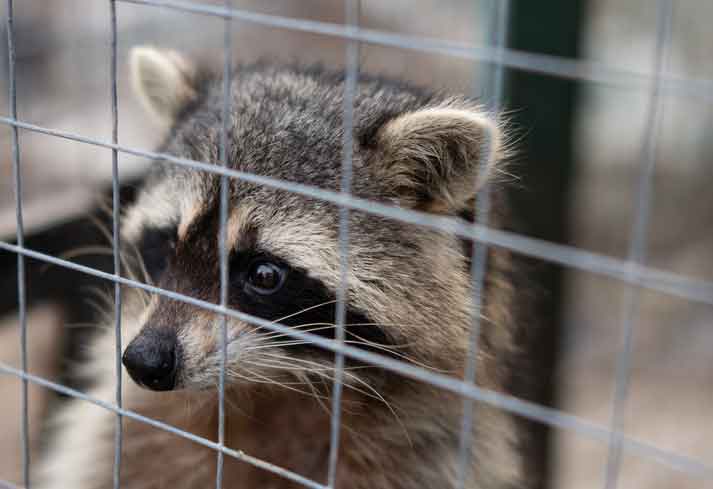
Raccoons are one of the most common nuisance wildlife animals in the Tulsa metro, and one of their most noticeable features is their long, ringed tail. While many homeowners see the tail as just a visual trait, it actually plays a major role in how raccoons move, climb, and gain access to homes throughout Tulsa, Broken Arrow, Owasso, Bixby, Jenks, and nearby communities.
At Wildlife X Team Tulsa, we regularly respond to raccoon calls where the first thing a homeowner noticed was “a raccoon with a long tail walking along the roofline.” That observation is more important than most people realize.
Understanding why raccoons have long tails helps explain how they access attics, chimneys, soffits, and rooflines across Green Country.
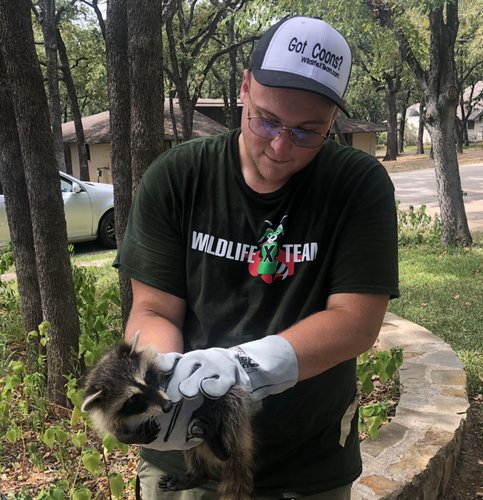
A raccoon’s tail can make up nearly one-third of its total body length. This long tail acts as a counterbalance, giving raccoons exceptional balance and control.
Raccoons in the Tulsa metro use their tails to:
In suburban and urban Tulsa neighborhoods, raccoons treat rooftops much like tree branches.
The black rings on a raccoon’s tail are not just for appearance. They help raccoons:
Because raccoons are nocturnal, Tulsa homeowners often only see the tail briefly as the animal disappears into a roof gap or attic opening.
Tulsa and surrounding cities provide ideal raccoon habitat:
Areas like Broken Arrow, Owasso, and Bixby combine newer construction with wooded surroundings, making them especially attractive to raccoons seeking den sites.
Raccoons do not require large openings. Their balance and strength allow them to:
A raccoon’s tail supports a large, powerful body. Once inside a home, they can:
Raccoons reuse entry points. In many Tulsa metro cases, one raccoon sighting turns into:
Female raccoons frequently choose attics for denning, especially during breeding season. Their long tails help them:
If you hear heavy footsteps, thumping, or scratching at night, especially in Tulsa-area homes, there is a strong likelihood of raccoon activity.
Many homeowners attempt DIY raccoon solutions without realizing how capable raccoons are.
Raccoons are:
Without properly sealing entry points and performing exclusion, raccoons almost always return. This is one of the most common reasons we receive repeat calls throughout the Tulsa metro.
At Wildlife X Team Tulsa, we specialize in humane raccoon removal and long-term exclusion. Our process includes:
A raccoon’s long tail may look harmless, but it represents a highly capable animal that does not belong inside your home.
If you suspect raccoon activity in Tulsa, Broken Arrow, Owasso, Bixby, Jenks, or nearby areas, early action can prevent extensive damage.
Yes. Raccoons are very common throughout the Tulsa metro due to tree cover, residential development, and available shelter in attics.
Yes. Raccoons use their long tails for balance, allowing them to climb gutters, downspouts, and rooflines with ease.
Raccoons are active year-round in Oklahoma, but attic activity increases during colder months and breeding seasons.
Yes, when performed humanely and in compliance with state wildlife regulations. Professional wildlife control ensures proper handling.