


When Wildlife Lives Inside Homes for Months in Tulsa
What Actually Happens — and Why Problems Often Come Back
Many homeowners assume that if wildlife gets into a house, it’s a short-term problem.
In reality, it’s not unusual for animals to live inside homes in Tulsa for weeks or even months — quietly nesting, returning night after night, and using the structure as a reliable shelter.
This happens most often in attics, wall voids, crawl spaces, and unused upper areas of homes, especially where activity goes unnoticed.
Understanding what changes over time is the key to resolving the issue correctly and preventing repeat intrusions.
Why Wildlife Can Live in Tulsa Homes Without Being Noticed
Tulsa homes often provide ideal conditions for wildlife:
- large attic spaces with minimal foot traffic
- wall cavities between floors and garages
- older neighborhoods with mature trees close to structures
- crawl spaces that stay relatively stable in temperature
Early signs are usually subtle:
- light scratching or movement
- sounds mostly at night
- noises that seem inconsistent or move locations
What Changes When Wildlife Stays Long Enough to Settle In
The situation shifts when animals remain long enough to use the space repeatedly.
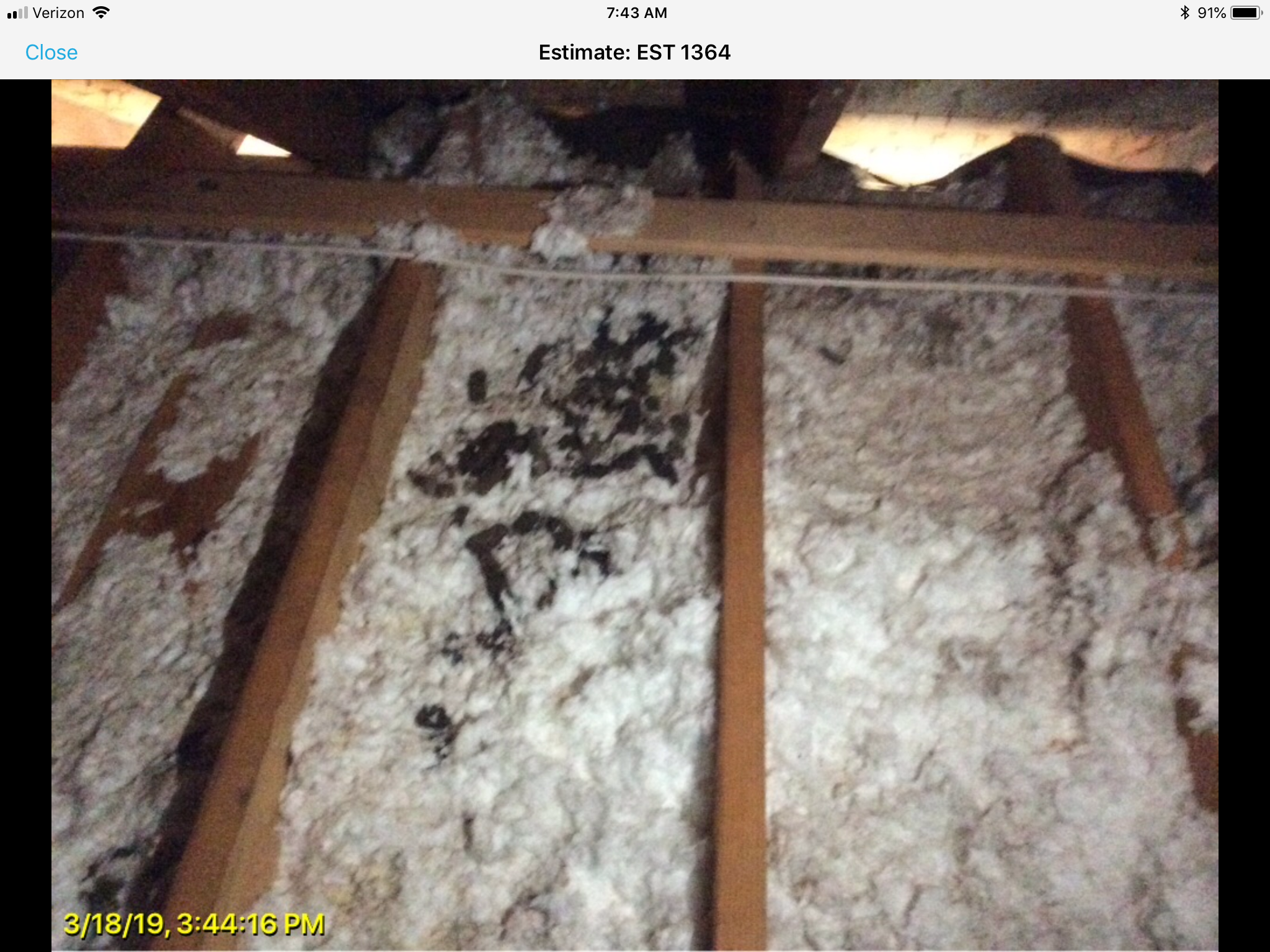
- scent markers
- nesting material
- droppings
- oils from fur and repeated contact with surfaces
Why Wildlife Issues Often Escalate Over Time
Wildlife activity rarely appears all at once.
In many Tulsa homes, it develops in stages:
- smaller animals such as mice enter first through very small openings
- larger animals like squirrels may displace them
- raccoons can later take over larger attic or wall spaces
- smaller animals sometimes return to secondary areas
Final Perspective
Wildlife living inside homes isn’t always dramatic — but over time, it becomes established.
The difference between a one-time issue and a recurring problem is rarely the species itself. It’s how long the animal was allowed to stay and whether the conditions that attracted it were fully resolved.